Most "Products" Are Just "Skills"
Title: Most "Products" Are Just "Skills"
Published On: Jul 29, 2026
Skills are simply instructions that we write for AI on how we want something to be done. Only reach for a skill when you notice yourself asking AI to do the same thing repeatedly. Maybe you want to write LinkedIn posts in the same voice, or design websites using the same design system. Skills help you do exactly that. This already makes AI much more useful, but it’s still self-contained.
To go from useful to a Product requires tools. Tools enable AI to perform actions. Actions such as reading data from your emails, events on your calendar, and content in your notes app. And actions such as drafting replies in your inbox, creating events in your calendar, and updating content in your notes app.
I’ll give you two examples of “Products” I’ve built in the past couple of months to make this concrete. I use Claude, so I’ll be referencing Claude for my use cases.
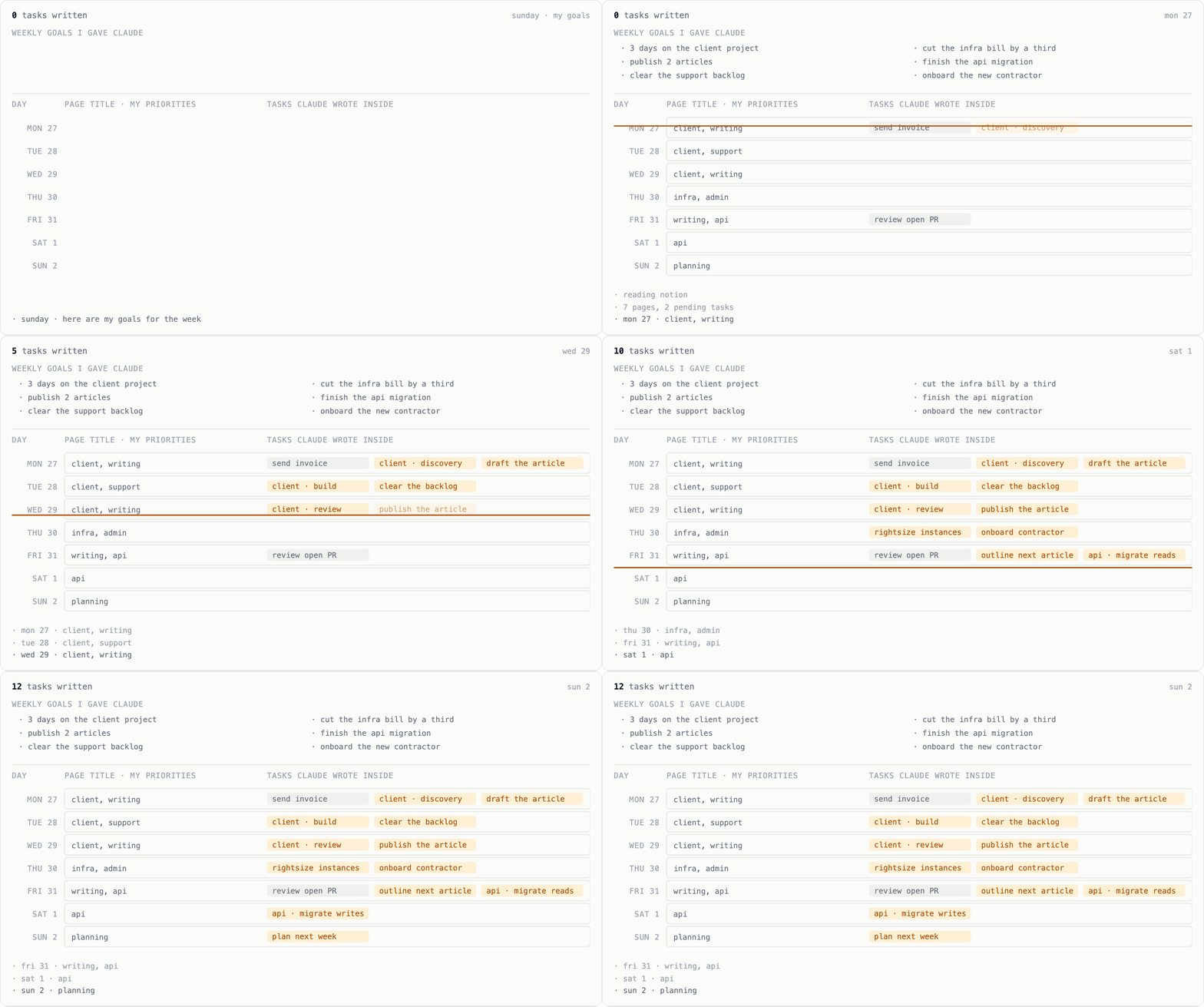
The first and most basic product I’ve built is Claude connected to a specific Notion database. I use it as a calendar where I note down my tasks for the day, along with any other thoughts or notes I have that day.
Every Sunday I tell Claude what my goals are for the week and ask it to plan the week out. Specifically, to create tasks for each day such that I achieve those weekly goals. Claude reads the Notion pages it needs, checking whether I have any pending tasks sitting in existing days, then gives me back a list of tasks for each day. I go back and forth with it until I’m happy, then tell it to update Notion. All of this works off very specific instructions I keep in a skill. That’s my personalised task management product.
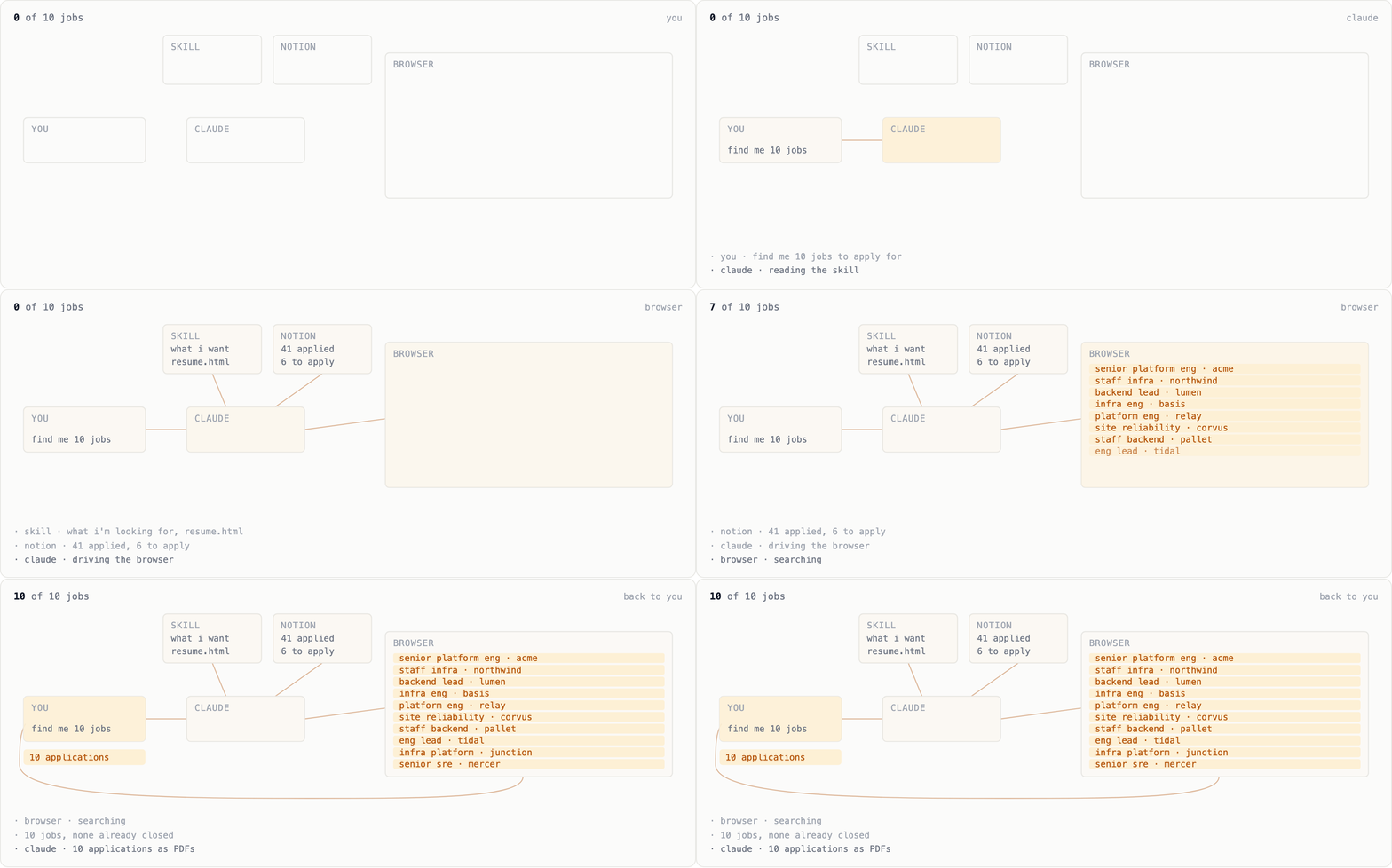
The second product I’ve built in Claude is for finding my next job. The main thing to get right is the context. The skill includes static content such as what I’m looking for in my next role, and my resume. I store my resume as an HTML file, which lets Claude very easily create personalised job applications that then get converted into PDFs. Then there’s the dynamic content: the jobs I’ve applied to and the ones I’m yet to apply to, all stored in Notion.
Typically I’ll ask Claude to find me 10 jobs to apply for. Getting that part right took three attempts. Originally I used the built-in web search in Claude, but the results went stale very fast, and I’d end up opening links to jobs that had already closed. I moved to Exa AI, which helped a bit, though not much. Finally I landed on letting Claude control my browser. Now when I ask Claude to find me new jobs, it has the right criteria for what to look for, and it can use my browser as if it were me.
These two examples showcase how skills are basically just products. Want a new feature? Change the skill. It’s that simple. Which raises an obvious question. If I can build these products in an afternoon, what exactly am I paying other companies for? A lot of software is very basic and doesn’t do a lot. Get this, create that, update this, delete that. These types of products just got very cheap to create yourself.